
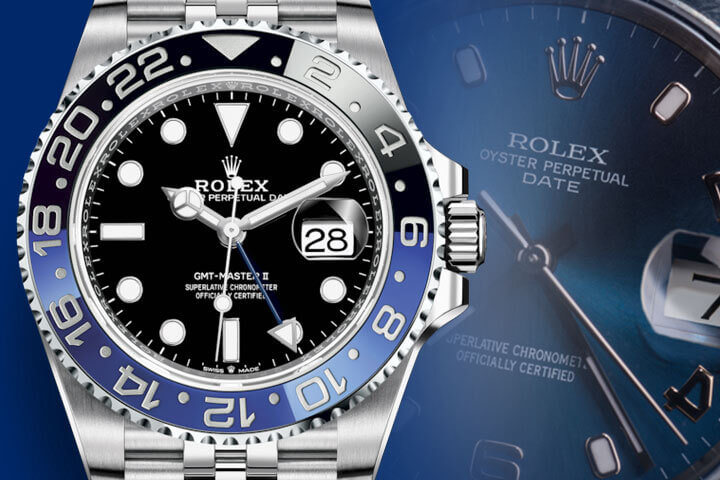
In the high-stakes world of luxury horology, the name Rolex stands as the undisputed king. For decades, the brand has been the gold standard for prestige, durability, and investment value. However, the surge in global demand—coupled with limited retail availability and soaring secondary market prices—has created a massive shadow industry: the world of Rolex replica watches.
Whether you are a curious enthusiast or a budget-conscious shopper, understanding the nuances of this market is essential. This guide dives deep into the different grades of replicas, the technology behind “super clones,” and the long-term implications of choosing a counterfeit over the real thing.
Understanding the Hierarchy of Rolex Replicas
Not all replicas are created in the same workshop. The market is segmented into several distinct tiers, each offering a different level of fidelity to the original design:
- Entry-Level “Canal Street” Grade: These are the most common fakes found in tourist markets. They often feature “ticking” quartz movements (unlike the smooth sweep of a genuine Rolex), poor-quality plating, and inaccurate logos.
- AAA High-Grade Replicas: A step up from the bottom, these watches use basic automatic movements and 316L stainless steel. While they look decent from a distance, the weight and “click” of the bezel usually give them away.
- Super Clones (The “N” Factory Standard): This is the top tier. Manufacturers use advanced 3D scanning and CNC machining to replicate the case dimensions perfectly. They even use 904L stainless steel—the same corrosion-resistant alloy used by Rolex—and “clone” movements that mimic the internal aesthetics of Calibre 3135 or 3235.
Why Do People Buy Rolex Replicas?
The primary driver is, of course, the price-to-status ratio. A genuine Rolex Submariner can cost anywhere from $10,000 to $15,000, whereas a high-end super clone might retail for $500 to $800. For some, it is a way to enjoy the “look” of a luxury lifestyle without the financial burden. Others use replicas as “travel watches,” wearing the fake rolex in high-risk areas to protect their genuine investment from theft or loss.
The Hidden Costs of Going “Faux”
While the initial savings are massive, owning a Rolex replica comes with significant technical and ethical drawbacks that every buyer should weigh:
- Zero Investment Value: A genuine Rolex is often better than a savings account, frequently appreciating in value. A replica loses 100% of its value the moment you buy it.
- The Servicing Nightmare: If a replica movement fails, you cannot take it to an Authorized Dealer. Most independent watchmakers also refuse to work on counterfeits due to parts incompatibility and legal liabilities.
- Waterproofing Issues: Genuine Rolex watches are engineering marvels of water resistance. Most replicas, even “super clones,” are rarely pressure-tested. A simple dip in the pool could ruin the internal movement.
- The Ethical Dilemma: The replica industry often operates in the shadows, potentially linked to exploitative labor practices and organized crime.
Better Alternatives: Homage vs. Replica
If the five-figure price tag of a Rolex is out of reach, you don’t have to resort to a counterfeit. The “homage” market offers watches that capture the spirit of Rolex designs but under their own brand names. Brands like Steinhart, Squale, and Seiko offer high-quality, Swiss or Japanese-made timepieces that provide the same aesthetic appeal but with a full warranty, legal transparency, and genuine horological respect.
Final Verdict
Rolex replica watches have become incredibly sophisticated, but they can never replicate the soul of the original. A watch is more than just a tool for telling time; it is a story of achievement. While a replica tells the world you want to look successful, a genuine timepiece—or a high-quality homage—tells the world you value authenticity and craft.